
Anyone who has spent real time in a kitchen knows that keeping food fresh, organized, and ready to go is half the battle.
Whether you’re prepping meals for the week or running a busy service, storage has a way of quietly making or breaking your whole system.
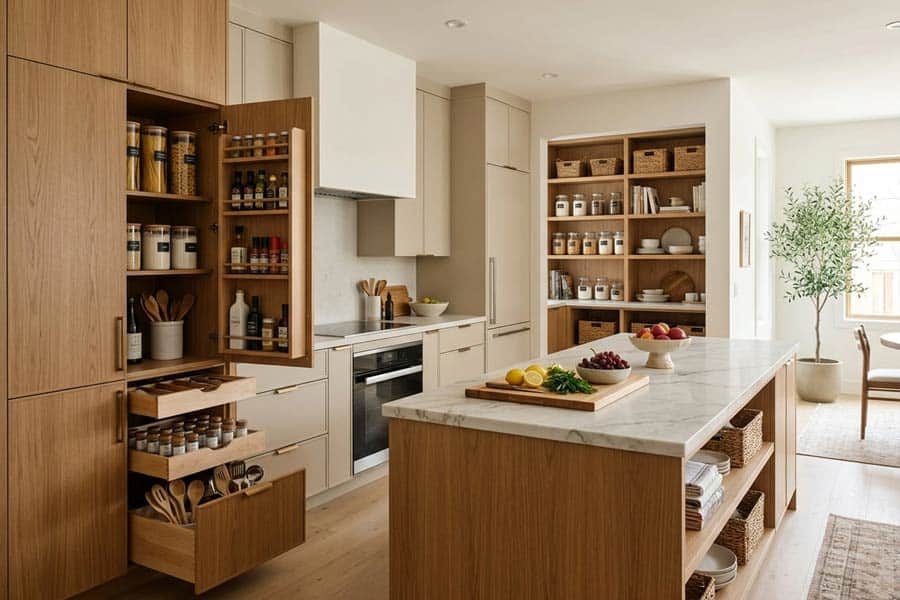
I’ve watched perfectly good food get lost in the back of an overstuffed fridge, seen containers crack under freezer pressure, and dealt with the frustration of mystery meals with no label and no date.
It adds up fast, and before long you’re tossing food you paid good money for.
The good news is that none of it has to be that complicated.
A few smart choices in how you store, organize, and protect your food can completely change how your kitchen runs day to day.
I’ll walk you through some of the most practical ways to tighten up your storage game, from picking the right containers to keeping cross contamination from ever becoming a problem in the first place.
Choosing the Right Food Storage Containers
Food stays fresh longer when stored properly.
What you keep it in really matters, and some containers do better than others.
Picking one that works well might just help your meals go smoother later on.
Material Selection
Most people pick glass since it never holds smells or marks.
Microwave use? No problem there, and the strength stays solid over time.
Light to carry and affordable to buy, plastic wins when you’re moving meals around.
Toughness matters most in busy spots where pro-grade kitchen gear takes daily hits.
Airtight Seals
Most freshness fades when air gets in.
Tight caps block that airflow while locking in moisture too.
Well-built containers with solid seals stop flavor from fading fast.
Sealed meals last longer just by staying closed tight.
Stackable Design
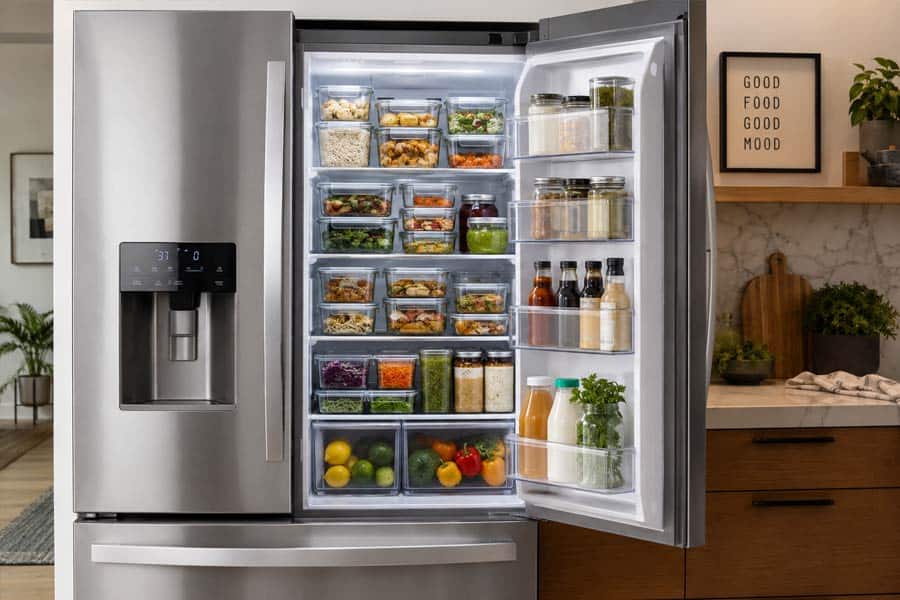
When you stack containers, they take up less room inside your fridge or freezer.
Whether you’re cooking big batches at home or running a full kitchen, stackable storage makes things far more efficient.
Best Practices for Refrigerating Prepared Meals
Use Freezer Safe Containers
Frozen temps can wreck the wrong containers.
Ones built for the freezer resist splitting while shielding your meals against icy damage.
Leave Space for Expansion
Ice takes up more room than water.
Keep some air above the liquid inside jars or bottles because this stops cracks and messes later on.
Preventing Cross Contamination
Keeping food safe matters above everything else while cooking or putting meals away.
Germs move by accident, say from raw meat to salad ingredients, messing up clean items nearby.
Besides raw cuts of meat, restaurant supplies and chicken stays safer apart from items eaten cold.
Using separate containers inside your fridge keeps things tidy while lowering the chances of germs spreading.
Red trays hold raw meat while green ones carry fresh greens, and kitchen crews spot the difference at a glance.
Because each color matches a specific type of ingredient, mistakes happen less often.
Blue boards stay only for cooked items, never touching unprepared foods.
This way, keeping things clean becomes part of your routine without extra steps.
A yellow bin means one thing: dairy only, always separate.
Organizing Your Storage Space
A tidy fridge makes finding things faster.
Your freezer stays useful when items have their place.
A clutter-free pantry means fewer forgotten meals, and when everything has order, less gets tossed out by mistake.
Older dishes sit up front while fresh ones go behind them.
That way, what arrived earlier gets eaten sooner and food won’t spoil waiting its turn.
Peeking inside becomes easy when containers show what’s stored.
I’d also suggest adding a note on each one, writing down which meal it holds along with when it was made.
Some home cooks buy heavy-duty shelves along with kitchen tools to keep things tidy, making better use of space while speeding up daily tasks.
Maintaining Food Quality During Reheating
Storing things right is just the start.
How you warm leftovers back up matters just as much because it keeps flavor on track and stops risks before they start.
Your meals need to hit 165°F inside, that’s 74°C, so harmful bacteria don’t stand a chance.
Common Food Storage Mistakes to Avoid
The wrong containers might ruin your food over time.
Choosing sturdy kitchen gear means things work well and last much longer in the process.
Food goes bad when fridges run too warm or nobody pays attention to date labels.
Spot checks on how things are stored make a real difference, and a spoiled meal often starts with small oversights.
I’ve seen it happen more times than I’d like, and it’s almost always something that could have been caught early.
The Role of Restaurant Supplies in Efficient Meal Prep
Labels show what’s inside without guessing, thanks to tools built for accuracy under pressure.
Racks line the walls, making space where there seems to be none.
Containers made tough handle constant use, surviving drops, washes, and heavy loads.
Everything fits a system that never slows down.
Home cooking gets easier when you use pro-style storage habits.
Good containers plus reliable kitchen tools make preparing your meals smoother and keep things tidy, one less thing cluttering your counter.
Less food ends up tossed, and it really is that simple.
When you start cooking ahead, having the right containers makes a noticeable difference.
Good gear cuts down on waste and keeps food lasting longer.
Instead of tossing spoiled dishes, everything stays ready to eat.
Planning pays off when your storage works well, and freshness sticks around much better with smart choices.
Why Smart Storage Makes Every Meal Worth It
How you store your food shapes the taste later, not just the shelf life.
Good food storage containers make a real difference, especially those built tough for daily use.
Refrigerating at safe temps keeps things edible longer, even after days pass.
Freezing smart helps too because timing and wrapping count just as much.
Reliable kitchen gear supports consistency, whether you’re cooking for your family or running a full service kitchen.
Waste drops when every step gets attention, not just the cooking part.
From home dinners to high-paced restaurant work, using smart ways to store food means each dish gives more back.
How long things last often depends on how they’re kept, and small steps really do make your meals stretch further.
FAQs
1. Can I Freeze Meals Directly after Cooking?
Wait a bit after cooking before you transfer meals into containers meant for the freezer.
A short pause helps avoid steam buildup inside the seal.
2. Why Are Restaurant Supplies Important for Food Storage?
Well-kept kitchen tools make it easier to keep your food sorted, stay safe, and help dishes last longer.
Freshness sticks around when gear works right and cleanliness stays up because systems run smooth.
Meals hold up better day after day once your setup supports the care you’re already putting in.
3. How Do I Prevent Freezer Burn?
Start by picking containers that seal tight.
Squeeze out extra air when you can because this helps keep things fresh longer.
Lock the lids on well before sliding anything into the freezer.

- Bojangles Coleslaw Recipe - April 19, 2026
- The 12 Best Kombu Substitutes for Your Favorite Recipes - December 8, 2025
- Ruth’s Chris Creamed Corn Recipe - March 8, 2025
