
Coffee is one of the world’s most loved drinks, and millions of us reach for a cup every single morning.
But behind that first sip is a complex farming system with real environmental consequences.

From deforestation to water use to pesticides, the way coffee is grown shapes ecosystems around the globe.
If you care about where your ingredients come from, understanding coffee’s environmental footprint can help you make more thoughtful choices at the store.
I think of coffee the same way I think of the produce, eggs, and olive oil in my kitchen.
When you pick an ingredient, you’re not just choosing flavor and texture.
You’re also supporting certain farming practices and the businesses behind them.
Options like shade grown coffee are one way to address some of coffee’s environmental challenges.
Still, the bigger conversation about sustainable farming involves a lot of connected pieces, so let’s walk through them together.
The Traditional Coffee Farming Model and Its Costs
For decades, much of the world’s coffee has been grown using a method called sun cultivation.
Farmers clear large areas of tropical forest to create open plantations where coffee plants grow in direct sunlight.
This approach boosts short-term yields, but it comes with big environmental trade-offs.
Removing the forest canopy wipes out habitat for many birds, insects, and other wildlife that depend on shade.
Without tree roots holding the soil in place, erosion increases, and heavy rains can wash topsoil and runoff downhill.
Sun-grown farms also tend to need more chemical inputs.
Without the natural pest control that shade trees provide, farmers often apply more pesticides and fertilizers.
These chemicals can seep into groundwater and affect both nearby communities and ecosystems downstream.
Many sun farms are also monocultures, meaning they grow only coffee across huge areas.
That lowers biodiversity and leaves crops more vulnerable to disease and climate stress.
Why Shade Matters in Coffee Farming
Shade-grown coffee takes a very different approach.
Instead of clearing the forest, farmers plant coffee under a canopy of native trees and other plants.
This mirrors the forest understory where coffee plants originally grew wild, creating a more balanced growing environment.
The benefits show up in several ways.
Birds and insects thrive in mixed-tree habitats, which helps with natural pest control and pollination.
The canopy reduces soil erosion and helps the land hold onto water during dry spells.
Shade-grown farms also tend to store more carbon in their trees and plants than open sun plantations.
And here’s the part home cooks will appreciate.
Shade can slow the ripening of coffee cherries, which gives the beans more time to develop sweetness and complex flavor.
Many people find shade-grown coffees taste smoother and more nuanced, with notes of chocolate, caramel, or fruit.
The trade-off is that shade farms usually produce less coffee per acre, so the beans often cost more at the store.
For many coffee lovers, I’d say the better flavor and long-term health of the land make that extra cost worth it.
Coffee Labels and What They Actually Mean
As more people look for sustainable coffee, several certification programs have stepped in to help verify how it’s grown.
You’ll commonly see labels from the Rainforest Alliance, Fair Trade USA, Fairtrade International, USDA Organic, and the Smithsonian Migratory Bird Center’s Bird Friendly program.
Each one has a different focus and level of strictness.
Some center on protecting biodiversity, others on fair treatment of farmers, and others on organic growing methods.
Smithsonian Bird Friendly certification is one of the strictest for shade.
It requires coffee to be certified organic and grown under a tall, diverse tree canopy that supports bird populations.
Fair Trade labels focus on making sure farmers get fair prices and work in safe, humane conditions.
USDA Organic means the coffee was grown without most synthetic pesticides and fertilizers.
Reading labels takes a little effort, but it’s one of the easiest ways to match your shopping with your values.
When you see these third-party seals, you have real assurance that your money supports farming practices you actually want to encourage.
Connecting Coffee Choices to Your Kitchen Values
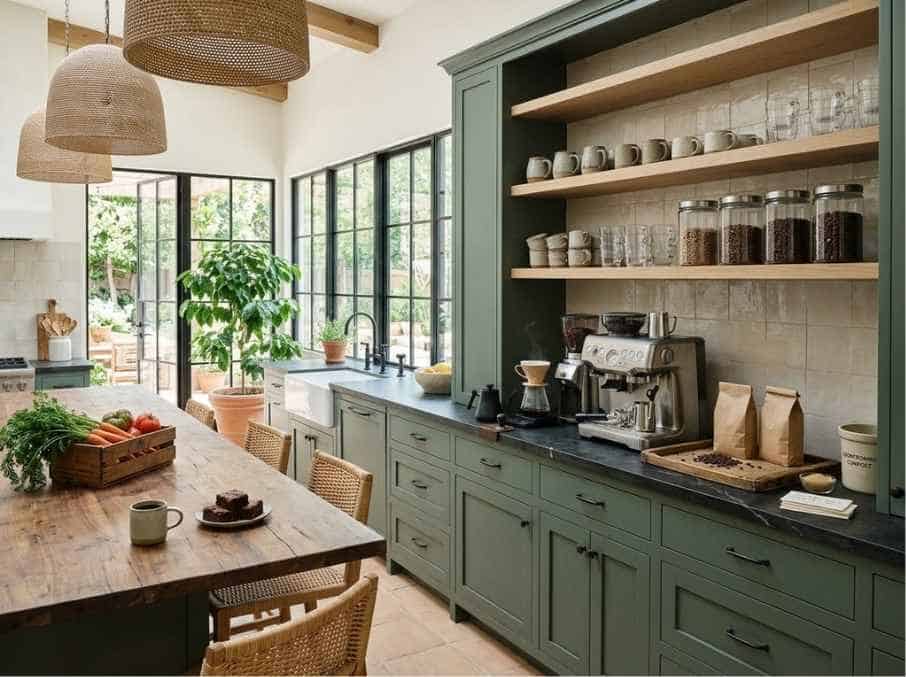
If you already think carefully about your ingredients, coffee fits right into that way of cooking.
Just as you might ask where your vegetables were grown or how your chicken was raised, coffee deserves the same attention.
The coffee you buy reflects your values and helps shape how coffee gets grown.
When you choose coffee from growers who care for the land, you send a clear message that people value sustainability.
As more shoppers make that choice, it becomes more affordable for farmers to switch to shade-grown and regenerative methods.
One bag of coffee might feel small, but thousands of thoughtful buyers together can push the whole industry in a better direction.
This doesn’t require perfection.
You don’t need to overhaul your whole pantry overnight.
Simply knowing about coffee’s environmental side and choosing with intention is real progress.
That’s true whether you’re brewing your daily cup or measuring out espresso powder for a batch of brownies.
Building a More Sustainable Coffee Habit
Building a better coffee habit starts with a little curiosity.
Visit local specialty roasters and ask how they source their beans.
Many roasters work directly with farmers and can tell you exactly how and where their coffee was grown.
Read labels carefully and look for certification seals that match your priorities.
I’d also try a few different origins and roast levels from growers who use sustainable methods.
You might find that shade-grown coffee from regenerative farms has flavors you genuinely prefer, so the switch feels like a treat instead of a sacrifice.
Some home cooks also enjoy using coffee as an ingredient, like adding espresso powder to chocolate cake or ground coffee to a steak rub, which gives you even more ways to enjoy sustainably grown beans.
None of this requires a dramatic lifestyle change.
It just means bringing the same care to coffee that you already bring to your other ingredients.
Over time, those small choices add up to real support for farms that work with nature instead of against it.
Brewing a Better Cup for You and the Planet
Coffee’s environmental story is complex, but it’s one you can help shape with your everyday choices.
Knowing the difference between sun-grown and shade-grown coffee, understanding what labels really mean, and choosing where your coffee comes from are all practical ways to match your kitchen with your values.
The coffee you brew each morning and stir into your favorite recipes connects you to farming communities and ecosystems around the world.
I think that makes it well worth the effort to choose beans you can feel good about.

- Soft Serve vs Frozen Yogurt vs Sorbet: What Is Actually in Your Cup? - October 23, 2026
- Balsamic Glaze vs. Balsamic Reduction vs. Aged Balsamic: Why Each One Matters in Your Kitchen - October 21, 2026
- Bojangles Coleslaw Recipe - April 19, 2026
