
Have you ever followed a recipe perfectly and still ended up with a result that was just… off?
The pasta tasted flat. The coffee was bitter. The soup lacked depth even after seasoning it carefully.
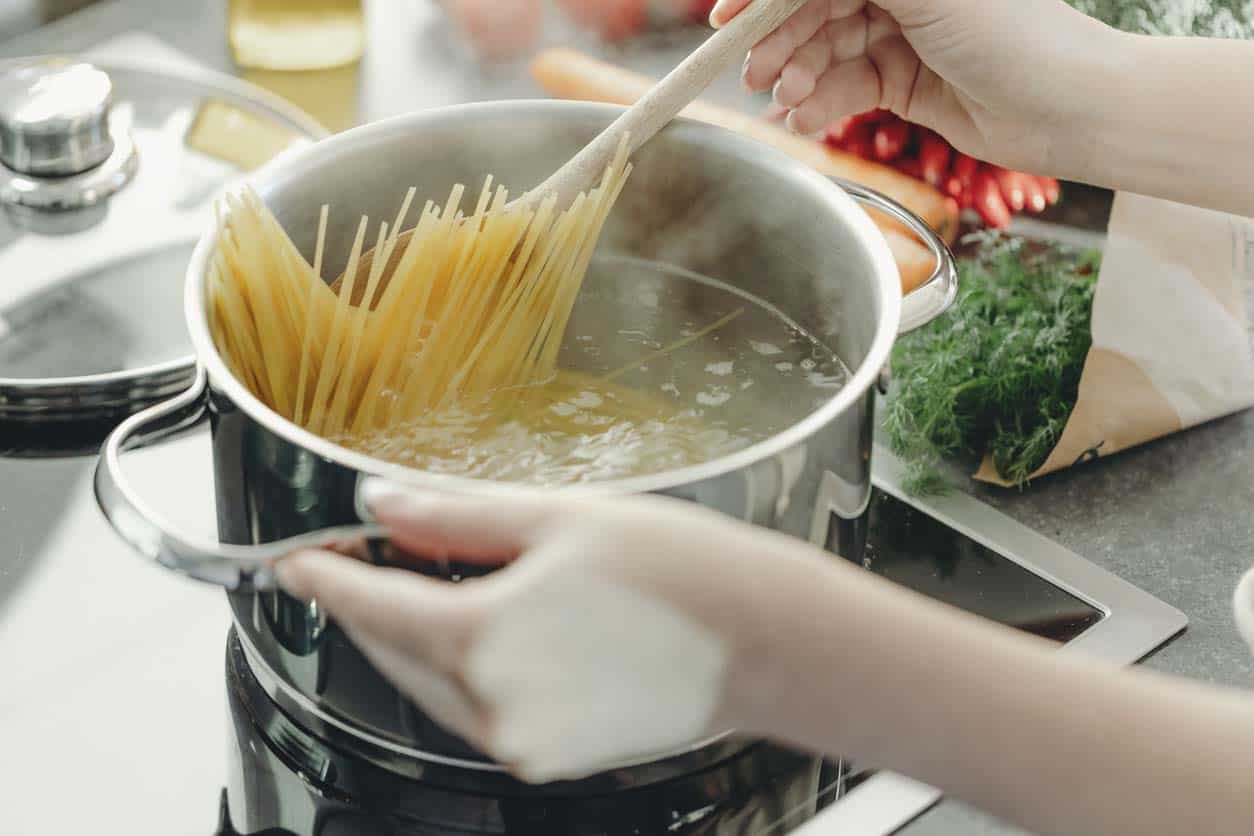
I’ve been there, and I know how frustrating it is when you can’t pinpoint what went wrong!
Most home cooks look at their technique first, then their ingredients.
But there’s one ingredient almost nobody thinks to question: the water itself!
Water touches nearly every recipe you make.
It’s in your pasta pot, your bread dough, your broth, your tea, and your morning coffee.
And the quality of that water matters more than you probably realize.
Over time, your home water filter element becomes saturated with contaminants and loses its efficiency.
If cartridges aren’t replaced on time, water quality deteriorates and the filter itself may fail.
That’s why regular replacement of a water filter cartridge is essential for clean water and the proper operation of your filtration system.
For example, in hard water conditions or with high daily consumption, water filter cartridges wear out faster.
Water Is an Ingredient, and It’s One You Can’t Ignore
Think about how often water shows up in your cooking.
When you boil pasta, the water itself influences the final texture.
Hard water, which contains high levels of calcium and magnesium, can actually interfere with gluten development in your pasta and bread dough, leaving you with results that feel slightly off no matter how carefully you followed the recipe.
Chlorine is another common culprit.
Most municipal tap water is treated with chlorine, and while that’s fine for safety, it can dull the flavor of your delicate broths, teas, and sauces.
I’ve noticed a real difference when using filtered water in recipes where the liquid is a star player rather than just a background element.
Even something as simple as cooking rice can be affected.
Rice absorbs a significant amount of water during cooking, which means whatever is in that water ends up in your finished dish.
Filtered water produces noticeably cleaner, more neutral-tasting rice.
The same goes for your coffee and tea.
Water makes up over 98% of both drinks, so if your water has an off taste or carries traces of chlorine or sediment, no amount of quality beans or premium tea leaves will fully compensate.
When It’s Time to Replace the Cartridge: Timing and Signs
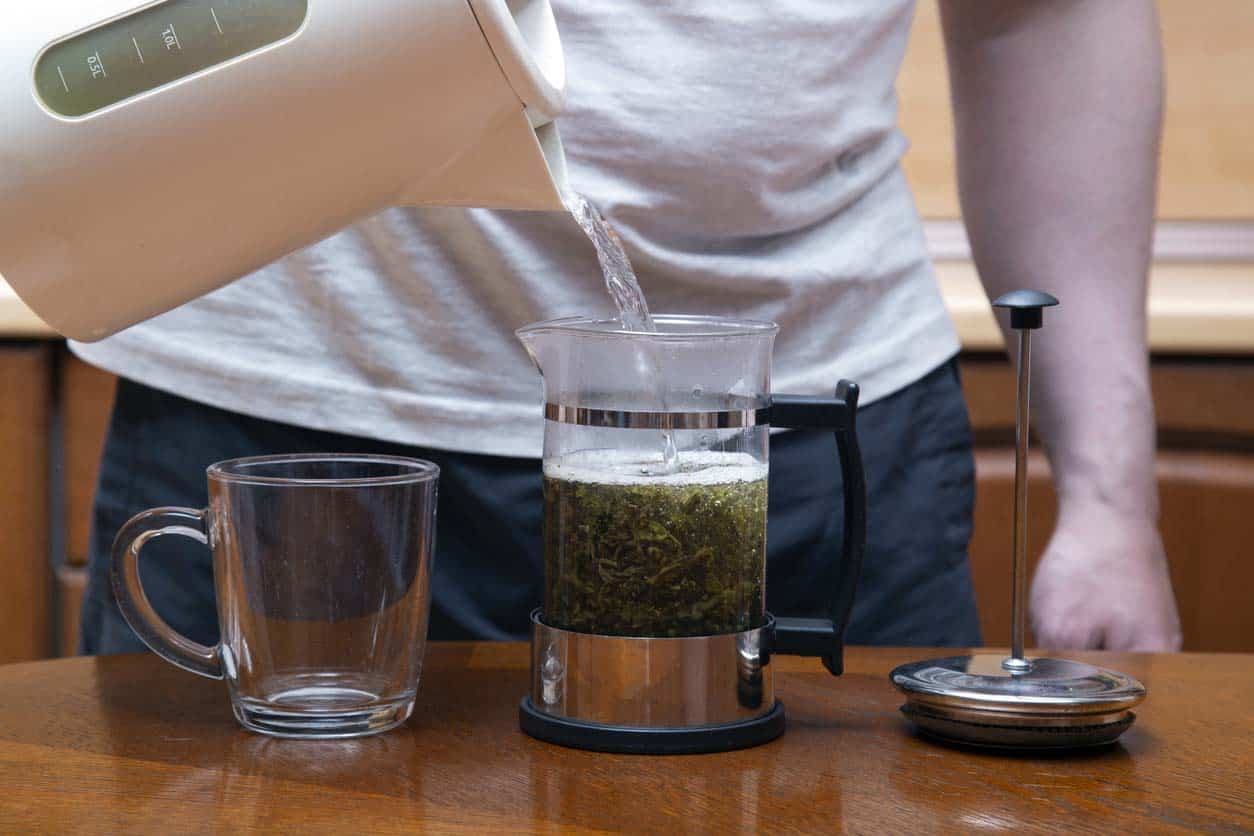
If you’re using a home water filter, keeping it properly maintained is what actually makes the difference between filtered water that helps your cooking and filtered water that’s barely doing its job.
Replacement intervals depend on the type of cartridge and your operating conditions.
Manufacturers typically recommend the following timeframes:
Mechanical cartridges every 3 to 6 months, Carbon cartridges about every 6 months, and Mixed and specialized cartridges (iron removal, water softening) every 6 to 12 months.
Keep in mind, though, these are only general guidelines.
Replacement frequency is also affected by water quality and your usage intensity.
Factors Affecting Replacement Frequency
Water hardness means higher levels of salts and minerals clog the filter more quickly.
Higher water usage depletes your cartridge faster.
The condition of your plumbing matters too, since old pipes with corrosion and rust speed up contamination.
The presence of iron and organic matter increases the load on the filter and shortens its lifespan.
Keeping these factors in mind helps you stay on top of timely cartridge replacement and consistent filtration quality.
Types of Cartridges and Their Lifespan
Mechanical cartridges remove large particles and sand, and their lifespan is typically shorter at around 3 to 6 months since they clog quickly.
Carbon filters improve taste and odor while removing chlorine and organic compounds, and are usually replaced every six months.
Specialized cartridges for softening or iron removal can last up to a year but require monitoring, especially when impurity levels are high.
How Water Quality Shows Up in Your Cooking
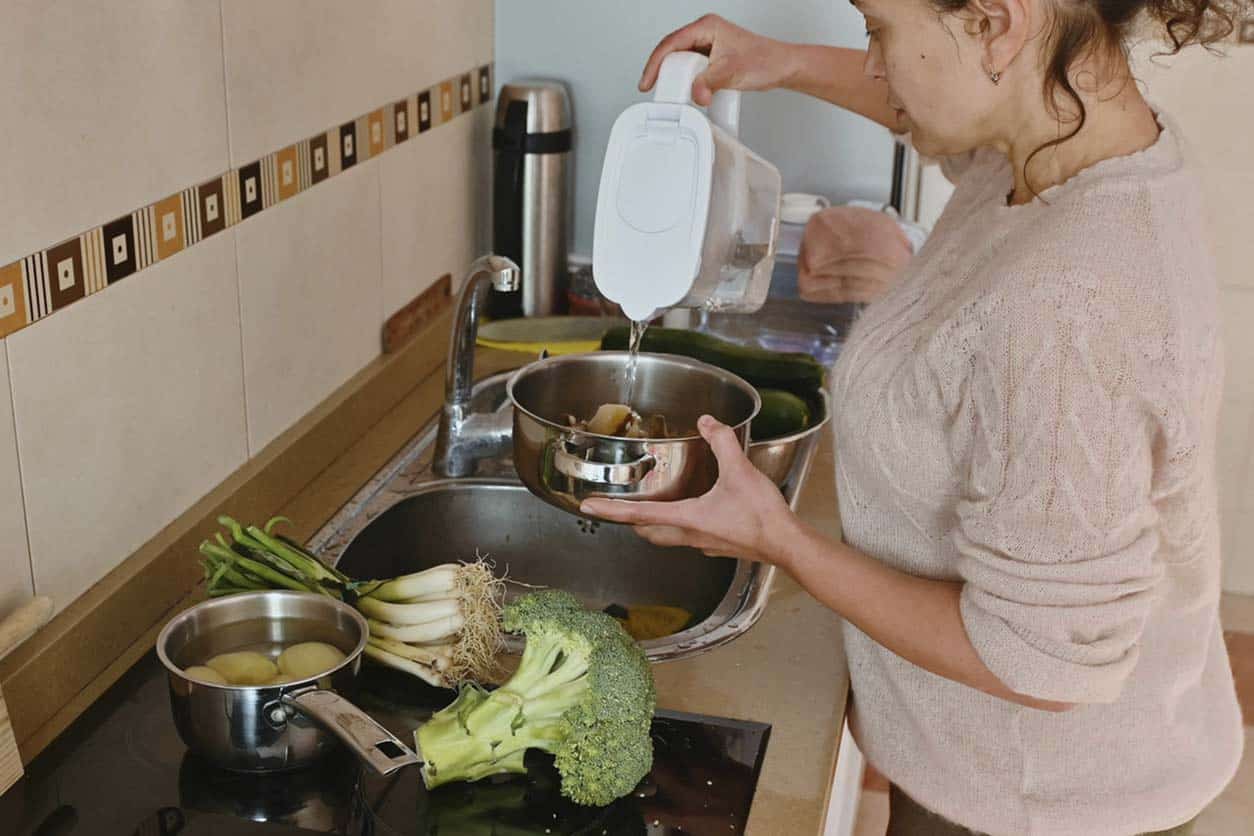
Here’s something worth thinking about:
The same hard water that wears out your filter faster is also the water affecting your recipes.
When your filter is overdue for a replacement, it’s not just a maintenance issue.
It’s a cooking issue.
A worn-out cartridge can no longer effectively trap contaminants, which means chlorine, organic impurities, and other unwanted substances make their way into your water and straight into your food.
You might notice it as a slightly off taste in your pasta water, a bitterness in your homemade broth, or a flatness in your baked goods that you just can’t explain.
Staying on top of your filter maintenance is genuinely one of the easiest ways to improve your everyday cooking results without changing a single thing about your recipes.
What Happens If You Replace the Cartridge Too Late
Delayed replacement can lead to a few issues worth knowing about.
Water quality deteriorates because a worn-out cartridge can no longer effectively trap contaminants, allowing mechanical particles, chlorine, organic impurities, and other unwanted substances to enter your water.
This affects taste, odor, and clarity.
Filtration speed also slows down over time as dirt and sediment build up inside the cartridge, restricting water flow.
As a result, the system works slower and becomes less convenient to use.
Favorable conditions for bacterial growth can also develop, which increases the risk of contamination throughout the filtration system and may negatively impact your water safety.
Regular cartridge replacement helps maintain stable system performance, ensures high water quality, and prevents potential filtration issues.
How to Tell When It’s Time to Replace the Filter
I’d recommend paying attention to the following signs:
- Changes in water taste or odor, like chlorine or unusual smells
- Reduced water pressure not related to plumbing issues
- Darkening or discoloration of your filtered water
- Some filters include cartridge replacement indicators, so keep an eye on their signals
Regular visual checks and tracking replacement intervals will help you avoid missing the right time.
And from a cooking standpoint, I’d also suggest doing a simple taste test with your filtered water every now and then.
If it starts tasting noticeably different, that’s often the first real-world sign that your cartridge needs attention before any other indicator kicks in.
How to Get the Best Replacement Cartridges for Your Filter
By keeping your filter in good condition, you ensure clean and safe water every day, and better-tasting results in everything you cook.
To avoid overpaying and compromising your water quality, I’d suggest purchasing replacement cartridges from trusted suppliers with a solid reputation.
Filterway offers a wide range of original and compatible cartridges, ensuring quality and timely delivery.

- The 12 Best Kombu Substitutes for Your Favorite Recipes - December 8, 2025
- Ruth’s Chris Creamed Corn Recipe - March 8, 2025
- Hibachi vs Teriyaki: The 6 Differences You Need To Know - February 28, 2025
