
Food has always been more than nourishment.
It’s history, identity, and storytelling rolled into daily rituals.

Across Europe, few foods capture this connection as clearly as sausage.
Crafted through centuries of necessity, creativity, and local pride, sausage reflects how people adapted to their environment while preserving flavor and culture.
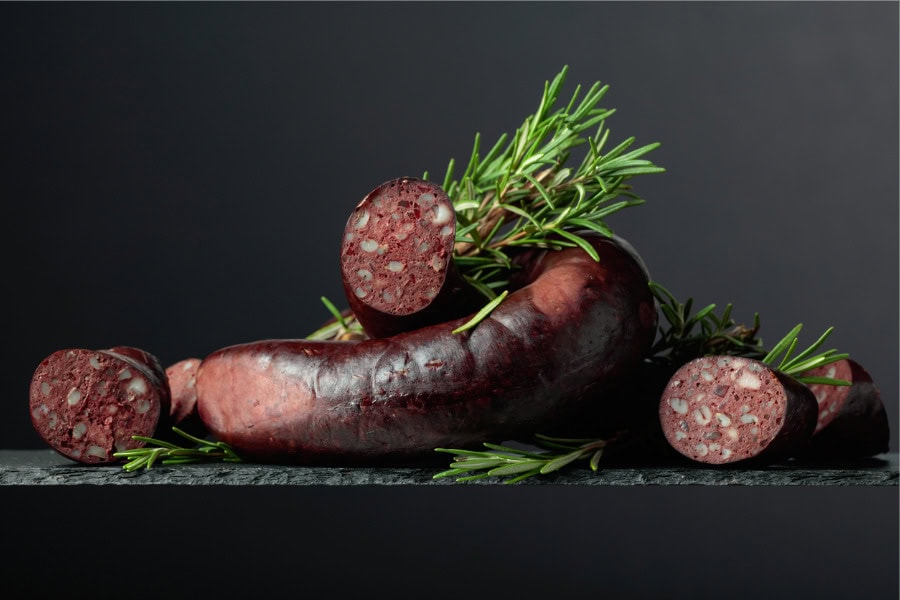
Among the many traditional varieties, boudin noir stands as one of the most distinctive examples of how resourcefulness and culinary skill intersect.
The Origins of Sausage Making
Sausage making began as a practical response to scarcity.
Before refrigeration, communities needed ways to preserve meat for extended periods.
Grinding, seasoning, stuffing, and curing allowed every usable part of the animal to be transformed into food rather than wasted.
Over time, these techniques became refined.
Regions developed unique spice blends, textures, and preparation styles influenced by climate, agriculture, and cultural preferences.
Sausage was no longer just preservation; it became expression.
Why Sausages Reflect Local Identity
Every traditional sausage tells a story.
Ingredients reveal what was locally available, while preparation methods reflect generational knowledge.
In rural communities, sausage making was often a communal event, tied to seasonal slaughtering and shared labor.
These foods carried meaning beyond sustenance.
They represented cooperation, survival, and celebration.
Even today, traditional sausages serve as edible reminders of cultural roots and shared heritage.
Understanding the Role of Blood Sausages
Blood sausages hold a unique place in culinary history.
They embody the principle of using the whole animal, a concept deeply embedded in traditional European cooking.
Rather than discarding blood, cooks transformed it into nourishing, flavorful food.
This approach wasn’t driven by novelty, but by respect for resources.
Blood provided protein, iron, and richness, contributing both nutritional value and depth of flavor.
The result was a product that challenged modern sensibilities while satisfying historical needs.
Flavor, Texture, and Technique
The character of traditional sausages comes from balance.
Fat adds richness, spices create complexity, and texture determines how the sausage is experienced.
Achieving harmony requires precision and patience.
Blood sausages, in particular, demand careful handling.
Temperature control, seasoning, and timing must be exact to produce a smooth, cohesive result.
These skills are typically passed down through experience rather than written instruction.
From Necessity to Delicacy
What once served as survival food has, in many regions, become a delicacy.
As industrial food production expanded, traditional sausages faced decline.
Yet in recent decades, interest in artisanal food has revived appreciation for heritage recipes.
People are increasingly drawn to foods with stories.
Knowing how something’s made and why it exists adds value beyond taste.
Traditional sausages satisfy this curiosity, offering authenticity in a world of mass production.
Sausages in Modern Food Culture
Today, sausages appear in many contexts.
They’re featured in casual meals, festive gatherings, and curated dining experiences.
Chefs experiment with presentation while respecting foundational techniques.
This balance between tradition and innovation keeps sausage relevant.
While the core methods remain unchanged, modern kitchens explore new pairings, cooking styles, and cultural fusions that introduce these foods to new audiences.
The Evolution of Consumer Taste
Modern diners are more adventurous than ever.
Exposure to global cuisines has expanded palates and reduced fear of unfamiliar ingredients.
Foods once considered niche or intimidating are now explored with curiosity.
This shift has allowed traditional sausages to regain prominence.
Rather than being hidden, they’re celebrated for their bold flavors and cultural significance.
Education plays a key role in this acceptance, helping people understand what they’re eating and why it matters.
Craftsmanship Over Convenience
Artisan sausage making prioritizes quality over speed.
Unlike factory production, small-scale preparation allows for attention to detail at every stage.
Meat selection, seasoning balance, casing choice, and cooking method all influence your final result.
This craftsmanship resonates with consumers who value transparency and intention.
Knowing that a product was made with care rather than efficiency enhances trust and enjoyment.
Sausage as a Social Food
Sausages are rarely eaten in isolation.
They appear at gatherings, markets, and shared meals.
Their format encourages slicing, sharing, and pairing with complementary foods like bread, vegetables, or condiments.
This communal aspect strengthens their cultural role.
Sausage becomes not just food, but a focal point for connection and conversation.
Exploring Variety Beyond the Familiar
While many people associate sausage with common supermarket varieties, the world of traditional sausage is vast.
Each region offers distinct interpretations shaped by history and environment.
This diversity invites exploration.
Trying different styles expands your understanding of food culture and highlights how a single concept can evolve in countless directions.
The Place of Sausage in Your Balanced Diet
Traditional sausages are rich and satisfying, designed to be eaten mindfully.
They’re not everyday staples, but intentional choices enjoyed in moderation.
When paired with vegetables, grains, and lighter accompaniments, they fit comfortably into a balanced approach to eating.
Understanding context is key.
These foods were never meant for excess, but for nourishment and pleasure within a broader dietary pattern.
Rediscovering Appreciation Through Education
As people learn more about food systems and culinary history, appreciation deepens.
Understanding why certain sausages exist, how they’re made, and what they represent transforms your eating experience.
This knowledge encourages respect rather than judgment, allowing traditional foods to be seen through the lens of culture rather than trend.
The Enduring Appeal of Sausage Craft
Despite changing tastes and technologies, sausage making endures because it fulfills a fundamental human desire: turning raw ingredients into something meaningful.
It connects past to present, necessity to enjoyment, and craftsmanship to culture.
Within this tradition, the broader category of gourmet sausage highlights how quality, care, and heritage elevate simple concepts into lasting culinary expressions.
The Lasting Legacy of Traditional Sausage Making
Sausage is more than a food category.
It’s a record of human adaptation, creativity, and community.
From traditional blood sausages to refined artisanal interpretations, these foods continue to tell stories worth preserving.
By understanding their origins and respecting their craft, we keep culinary heritage alive at your table.

- The 12 Best Kombu Substitutes for Your Favorite Recipes - December 8, 2025
- Ruth’s Chris Creamed Corn Recipe - March 8, 2025
- Hibachi vs Teriyaki: The 6 Differences You Need To Know - February 28, 2025
