
If you’ve ever sat down to a really good piece of bluefin tuna, you know it’s not just “another fish.”
It’s rich. It’s buttery. It almost melts.
And once you’ve had it, regular tuna just doesn’t hit the same.
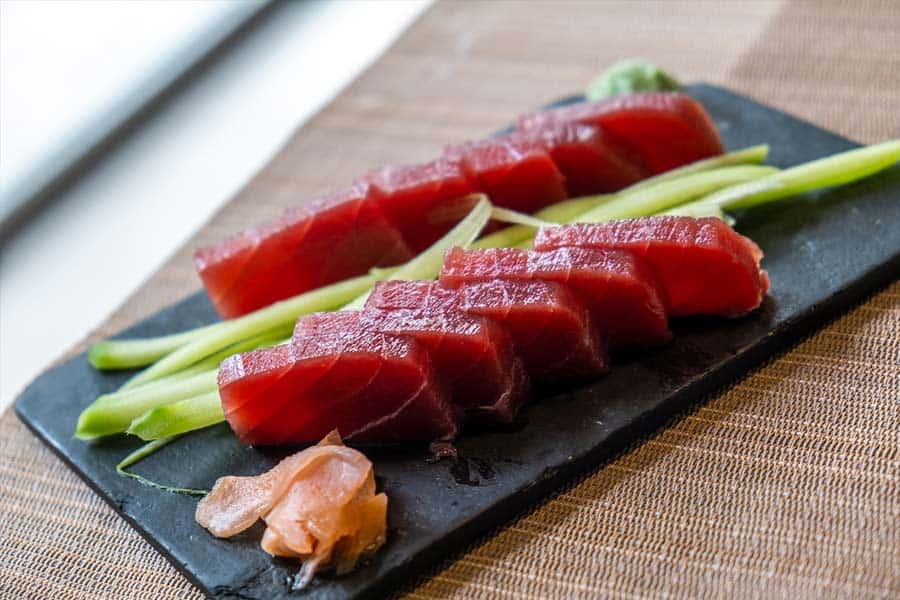
As demand for this fish continues to grow, both wild-caught fishing and bluefin tuna farming have become important sources of supply.
Not all bluefin tuna is the same, though.
Some is wild-caught. Some is farmed.
And the differences between the two go far beyond a simple label at the fish counter.
Where it comes from affects flavor, texture, price, availability, and even its impact on the ocean.
Before you order it at a restaurant or bring it home to cook, it helps to know exactly what you’re choosing.
What Is Wild-Caught Bluefin Tuna?
Wild-caught bluefin tuna are harvested directly from the ocean.
These fish roam freely across the Atlantic and Pacific, swimming thousands of miles and hunting their own food.
They’re powerful, fast, and constantly moving.
That active lifestyle shapes their muscle structure and plays a big role in their texture.
Once caught, they’re processed and shipped around the world as one of the most premium seafood products available.
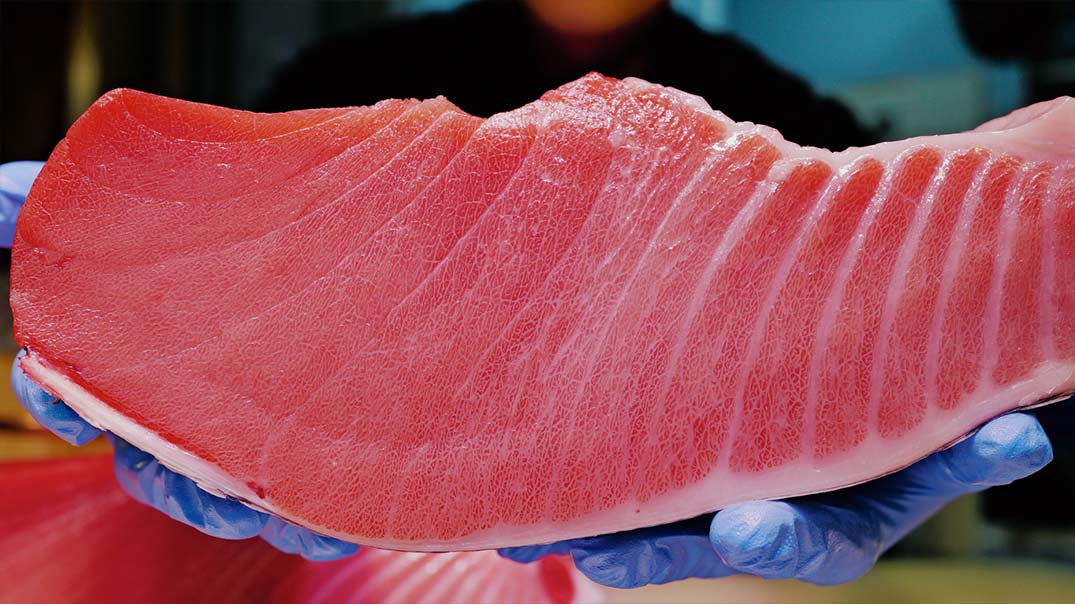
Pros of Wild-Caught Tuna
The biggest draw of wild-caught bluefin is flavor.
Because these fish eat a natural diet of fish, squid, and crustaceans, their taste tends to be more layered and complex.
The texture is usually firmer too, which many people prefer in steaks or sashimi.
There’s also something appealing about knowing the fish lived entirely in the open ocean.
No controlled feeding schedules. No sea pens.
Just the natural environment doing what it does.
For some buyers, that alone makes it feel like the more authentic option.
Cons of Wild-Caught Tuna
Now here’s the trade-off.
Bluefin tuna is incredibly popular, and that demand has taken a toll on wild populations over the years.
Strict fishing regulations help, but sustainability is still an ongoing conversation.
There’s also variability.
Because these fish grow naturally, fat content and quality can change depending on season, region, and handling.
And when supply tightens, prices climb.
Wild-caught bluefin is often the more expensive option, sometimes significantly so.
What Is Farmed Bluefin Tuna?
Farmed bluefin tuna is raised in controlled aquaculture environments instead of being harvested at full size in the wild.
Typically, juvenile tuna are caught and transferred to large sea pens.
There, they’re fed, monitored, and grown until they reach market size.
This system allows producers to manage growth and fat content much more precisely.
You’ll find bluefin farms in places like Japan, Australia, the Mediterranean, and increasingly along the western United States.
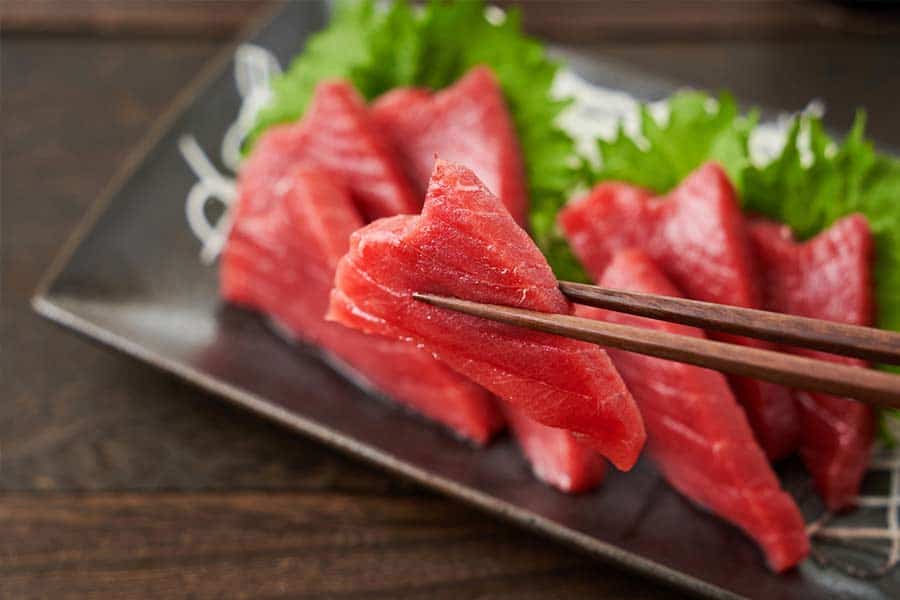
Pros of Farmed Bluefin Tuna
The biggest advantage here is consistency.
Farmed tuna is available year-round, which makes it easier for restaurants and retailers to keep it on the menu.
If you’re buying it, that steady supply usually means more stable pricing.
Farmed bluefin is also known for its high fat content.
Feeding programs are designed to increase marbling, which gives the fish that ultra-buttery, melt-in-your-mouth texture people associate with premium cuts.
If richness is what you’re after, farmed tuna often delivers it in a very predictable way.
Cons of Farmed Bluefin Tuna
That said, aquaculture comes with its own set of concerns.
Fish waste and uneaten feed can impact surrounding marine ecosystems if farms aren’t carefully managed.
Farmed tuna are also fed large amounts of smaller fish, which affects other parts of the marine food chain.
And because many operations rely on capturing juvenile wild tuna, farming still connects back to wild populations.
From a taste perspective, some people find farmed tuna slightly less complex.
It’s richer, yes, but sometimes not as nuanced as wild-caught.
The Difference Between Wild-Caught vs Farmed Bluefin Tuna
So what really separates the two?
It comes down to how the fish lived, what it ate, and how it grew.
Those factors influence everything from texture to price to environmental impact.
Flavor and Texture
Wild-caught bluefin usually has a firmer bite and more layered flavor.
Farmed bluefin is softer, fattier, and often more indulgent.
Neither is automatically better.
It depends on whether you prefer structure and depth or richness and melt.
Habitat
Wild tuna migrate across vast stretches of open ocean.
They’re constantly moving.
Farmed tuna live in sea pens that limit their range.
The difference in space and activity plays a role in how the fish develops.
Feeding Practices
Wild tuna eat whatever they hunt naturally.
Farmed tuna receive controlled diets designed to promote growth and fat accumulation.
Those feeding differences shape both flavor and sustainability discussions.
For a deeper look at environmental practices, you can review reports on sustainability.
Price and Market Availability
Wild-caught bluefin is typically more expensive due to limited quotas and strict fishing regulations.
Availability can vary depending on season and catch levels.
Farmed bluefin is generally easier to find year-round, with more predictable pricing.
If consistency matters, farming has an edge here.
Growth Rate
Wild tuna grow according to natural conditions.
Farmed tuna grow under monitored feeding schedules that speed up and standardize development.
That control helps stabilize supply, but it also keeps farming tied to wild stock in many cases.
How to Decide Which Bluefin Tuna Is Right for You
At the end of the day, this isn’t about picking a winner.
It’s about knowing what you’re buying.
If you care most about natural sourcing and layered flavor, wild-caught may feel like the right choice.
It’s especially great for sushi, a simple seared steak, or even folded into a flavorful tuna salad where the quality really stands out.
If you want reliable availability, intense richness, and often a more predictable price, farmed tuna might make more sense.
Bluefin is special either way.
The key is choosing the version that aligns with your taste, your budget, and how you feel about its impact.

- Bojangles Coleslaw Recipe - April 19, 2026
- The 12 Best Kombu Substitutes for Your Favorite Recipes - December 8, 2025
- Ruth’s Chris Creamed Corn Recipe - March 8, 2025
