
This guide breaks down the world’s most influential grilling traditions and shows you how to apply their best techniques at home.
Whether you’re new to grilling or looking to expand your repertoire, you’ll find actionable insights you can use right away.
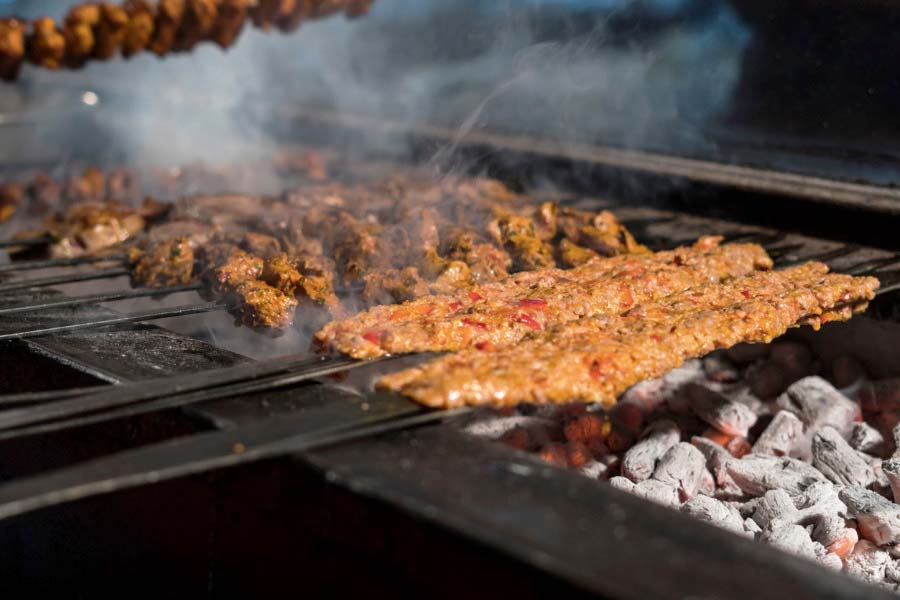
Grilling is more than cooking over fire: it’s a global craft shaped by culture, climate, and tradition.
From Argentina’s ember-driven asados to Japan’s precise yakitori, every grilling culture offers techniques that can elevate your backyard BBQ.
Learning these methods isn’t just interesting; it gives you practical tools to improve flavor, texture, and confidence at the grill.
Essential Tips Every Griller Should Know
Before exploring global grilling styles, it’s essential to master the grilling basics.
These fundamentals are the foundation for every grill, every protein, and every cooking tradition, giving you the control and confidence to build great flavor no matter what technique you choose to use next.
Control Your Heat
Understand the difference between direct and indirect heat.
- Direct heat is for searing.
- Indirect heat is for slow cooking.
- A two-zone fire gives you both options and prevents overcooking.
Avoid Flare-Ups
Flames licking your food create bitterness.
If fat drips and flames spike, move your food to a cooler zone and close the lid briefly.
Season Early
Salt early so it can penetrate.
Herbs, spices, and aromatics are great additions, but salt is your foundation for balanced flavor.
Rest Your Meat
Let grilled meats rest for 5–10 minutes.
This redistributes juices and improves tenderness.
Use a Thermometer
Skip the guesswork.
Aim for safe, consistent doneness:
- Chicken: 165°F
- Pork: 145°F
- Beef (medium): 135–140°F
- Fish: 125–135°F
With these basics in place, you’re ready to explore the world’s most iconic grilling traditions.
1. Argentine Asado: Fire Management First
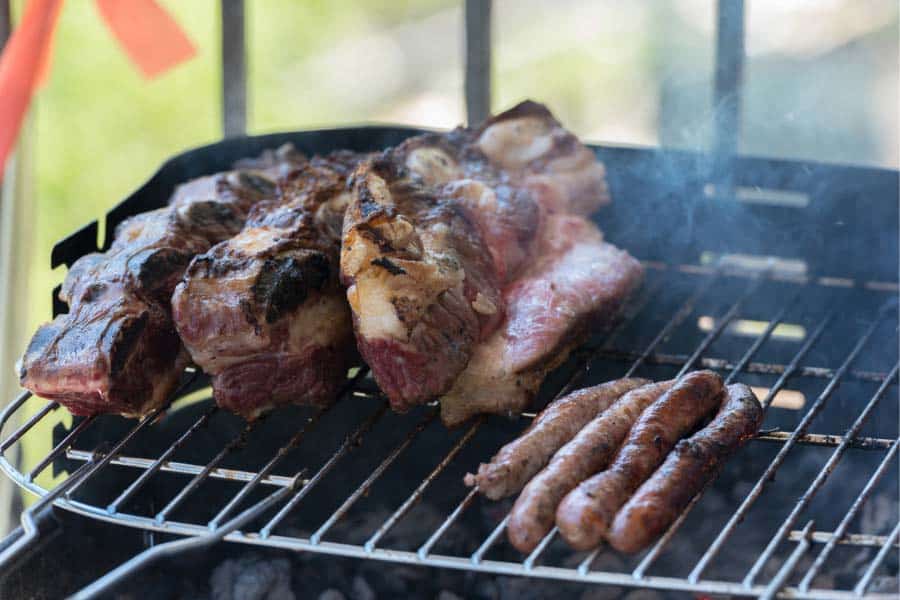
What It Is
In Argentina, asado is both a cooking method and a social ritual.
Cuts like short ribs, flank steak, and chorizo are cooked slowly over glowing embers rather than direct flames.
Key Technique
Low, steady heat from embers.
Asadores build two zones:
- A fire zone to generate coals
- A cooking zone for slow, even heat
How to Use It at Home
- Build a two-zone fire on your grill.
- Cook tougher cuts low and slow to render fat and deepen flavor.
- Season simply with coarse salt and finish with chimichurri.
2. American BBQ: Smoke Is the Star
What It Is
American BBQ varies by region: Texas brisket, Carolina pulled pork, Memphis ribs, but all rely on low heat and wood smoke.
Key Technique
Long, slow smoking with hardwoods.
How to Use It at Home
- Use wood chunks for a longer smoke time. Hickory and oak are great starters.
- Maintain a steady 225–275°F.
- Let the bark form naturally; patience builds flavor.
3. Japanese Yakitori: Precision and Simplicity

What It Is
Yakitori transforms small, uniform pieces of chicken (and vegetables) into perfectly grilled bites over intense charcoal heat.
Key Technique
Small cuts + high heat + constant turning.
How to Use It at Home
- Cut ingredients uniformly for even cooking.
- Grill over direct high heat.
- Finish with a sweet-savory glaze inspired by tare (soy, mirin, sake, sugar).
4. Korean Barbecue: Interactive and Flavor-Driven
What It Is
Korean BBQ features thin-sliced meats cooked quickly at the table, paired with bold marinades and fresh sides.
Key Technique
Thin cuts + high heat + vibrant flavors.
How to Use It at Home
- Slice against the grain for tenderness.
- Use bold marinades with soy, garlic, sesame, and sugar.
- Serve with crisp salads or quick-pickled vegetables.
5. South African Braai: Equal Parts Fire and Community
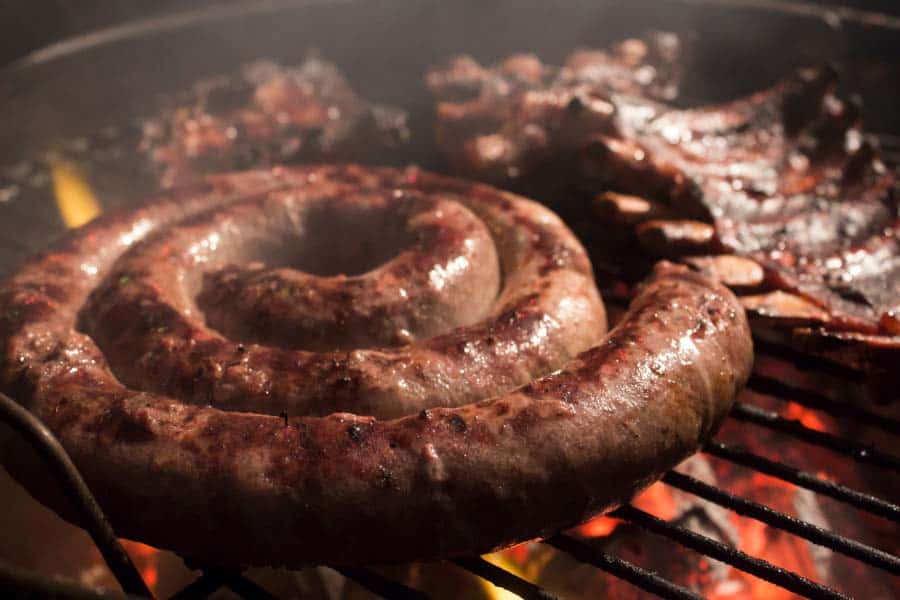
What It Is
Braai is a South African tradition centered on wood-fired cooking and gathering with friends.
Beef, lamb, boerewors, and fish are common.
Key Technique
Hardwood fire + attentive fire management.
How to Use It at Home
- Use hardwood charcoal or real wood for richer smoke.
- Cook in stages, moving food through different heat zones.
- Season with bold spice blends featuring coriander, garlic, and paprika.
6. Middle Eastern Mashawi: Earthy Spice and Open Flame
What It Is
Mashawi includes grilled lamb, chicken, and kebabs seasoned with spices like cumin, coriander, and sumac.
Key Technique
Simple spice rubs + direct flame.
How to Use It at Home
- Make your own rub with cumin, coriander, paprika, black pepper, and a touch of cinnamon.
- Grill over open flame to enhance smoky, earthy notes.
- Pair with yogurt sauces, cucumbers, and fresh herbs.
7. Mediterranean Grilled Fish: Clean Heat, Clean Flavor
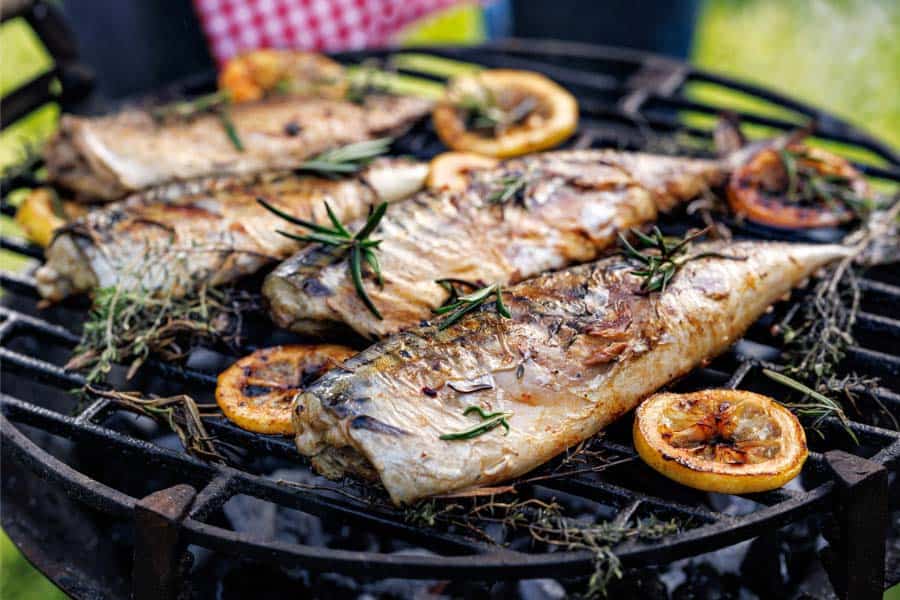
What It Is
Mediterranean grilling focuses on fresh fish, olive oil, citrus, and herbs: simple ingredients cooked quickly.
Key Technique
High heat + minimal seasoning.
How to Use It at Home
- Use high heat to keep fish moist and prevent sticking.
- Oil both your grill grates and your fish.
- Finish with lemon and fresh herbs for brightness.
Putting It All Together: A Global Grilling Menu
Try this simple menu to bring global techniques to your backyard:
- Starter: Yakitori-style grilled scallions with a tare-inspired glaze
- Main: Argentine-style flank steak cooked over indirect heat with coarse salt and chimichurri
- Side: Mediterranean lemon-herb grilled fish
- Bonus: Korean BBQ marinated short ribs for a quick, high-heat burst of flavor
Great grilling comes from understanding heat, respecting ingredients, and borrowing inspiration from cultures that have perfected the craft.
With these techniques, your backyard grill becomes a gateway to flavors from around the world.

- The 12 Best Kombu Substitutes for Your Favorite Recipes - December 8, 2025
- Ruth’s Chris Creamed Corn Recipe - March 8, 2025
- Hibachi vs Teriyaki: The 6 Differences You Need To Know - February 28, 2025
