
In busy commercial kitchens, where every dollar matters and speed meets quality, improving daily operations is always a top priority.
One often missed but very important area that greatly affects costs and workflow is fry-oil management.
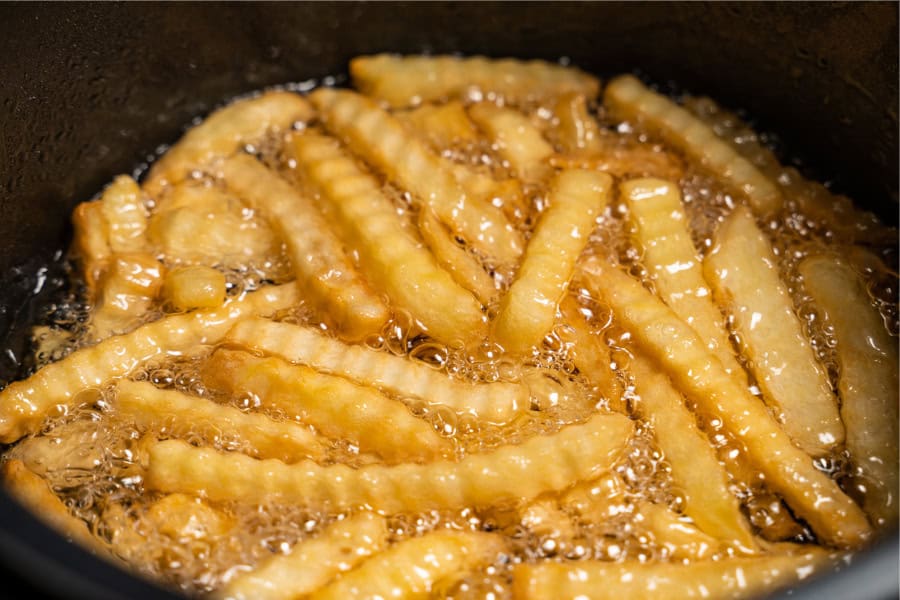
By cutting fry-oil costs the smart way, you can gain real savings, raise food quality, and simplify your daily tasks.
This isn’t about cutting corners.
It’s about better management, using the right tools, and simple habits that lead to a stronger, more profitable setup.
If you want a real change, I recommend you start by exploring solutions that can cut fry-oil costs by up to 50%.
It’s a strong first step to hit these goals.
Fry-oil management affects much more than the price of fresh oil.
It touches labor, equipment care, food quality, and even waste and recycling.
Many kitchens still change oil based on habit instead of data, and that mistake can quietly cost you thousands each year.
This article looks at the many ways smarter oil use can lift your kitchen performance, with practical tips for quick wins and steady, long-term gains.
What Is Kitchen Efficiency in Commercial Operations?
Kitchen efficiency means getting the best use of time, labor, ingredients, and equipment to produce great food with little waste and strong profits.
It’s about building a smooth workflow that keeps your product consistent, avoids slowdowns, and boosts the guest experience.
A truly efficient kitchen runs like a steady machine, from prep to plate.
This efficiency isn’t only about speed. It’s about smart systems.
It includes menu planning, inventory control, proper equipment care, and ongoing staff training.
In today’s competitive foodservice market, high efficiency isn’t just nice to have. It’s necessary.
It helps you control costs, react to market shifts, and keep a strong reputation.
How Does Fry-Oil Usage Impact Kitchen Efficiency?
Fry-oil use plays a bigger role in overall efficiency than many think.
Poor oil habits drive up your costs fast!
When oil breaks down due to mishandling or weak filtration, you buy and dispose of it more often, and both are expensive.
That raises your food cost percentage, one of the key numbers in any kitchen. Bad oil also hurts your food quality.
Old oil adds off-flavors, cooks unevenly, and makes greasy food, which turns guests away and hurts your brand.
Frequent oil changes and fryer cleaning are messy, risky, and time-consuming, pulling your staff off more valuable work.
On the other hand, good oil management keeps oil alive longer, cuts labor, improves food results, and keeps your line running smoothly.
Why Do Fry-Oil Costs Matter for Restaurant Profits?
For many restaurants, especially those that fry a lot, cooking oil is a major ongoing cost.
With oil prices rising, managing this spend is very important for holding your margins.
Ignoring it can quietly eat into profits, even in well-run kitchens.
The dollar impact is clear, and fry-oil costs also affect other parts of your business.
This is exactly why solutions like Save Fry-Oil can make such a difference.
Some operators try to save by pushing oil past its best or buying lower-grade oil.
That may look cheap now, but it often lowers food quality and guest satisfaction, which reduces repeat visits and costs you more in the end.
The better answer is smarter, lasting oil practices that slow down oil breakdown instead of masking the problem.
Practices that brands such as Save Fry-Oil help restaurants implement effectively and sustainably.
How Fry-Oil Expenses Affect Food Cost Percentage
Food cost percentage is a key health check for any restaurant. Fry-oil spend raises this number.
If you swap oil too soon, each fried item carries extra cost.
If you change oil every 2-3 days but could reach 5-7 days (or more) with better practices, the monthly and yearly difference is big.
In a high-volume kitchen with several fryers, constant oil purchases plus disposal fees add up fast, often thousands per month.
Without control, your menu item can go from profitable to break-even.
Cutting fry-oil spend isn’t only about the oil itself. It protects the profit on your whole fried menu.
Hidden Costs of Inefficient Fryer Oil Management
Beyond buying and disposal, weak oil habits bring hidden costs.
Labor time spikes when your staff must change oil often, clean vats more, and deal with spills or burns.
Those hours could go to prep or service.
The strain and risk can also affect morale and lead to injury claims. Equipment wear grows, too.
Dirty oil speeds up fryer part failure, causing more repairs and downtime.
Unfiltered oil clogs systems and triggers breakdowns, leading to lost sales.
Poor food quality from bad oil leads to complaints, comps, and weak reviews.
These less visible costs can hurt your long-term success as much as the direct spend.
What Shortens the Life of Fryer Oil?
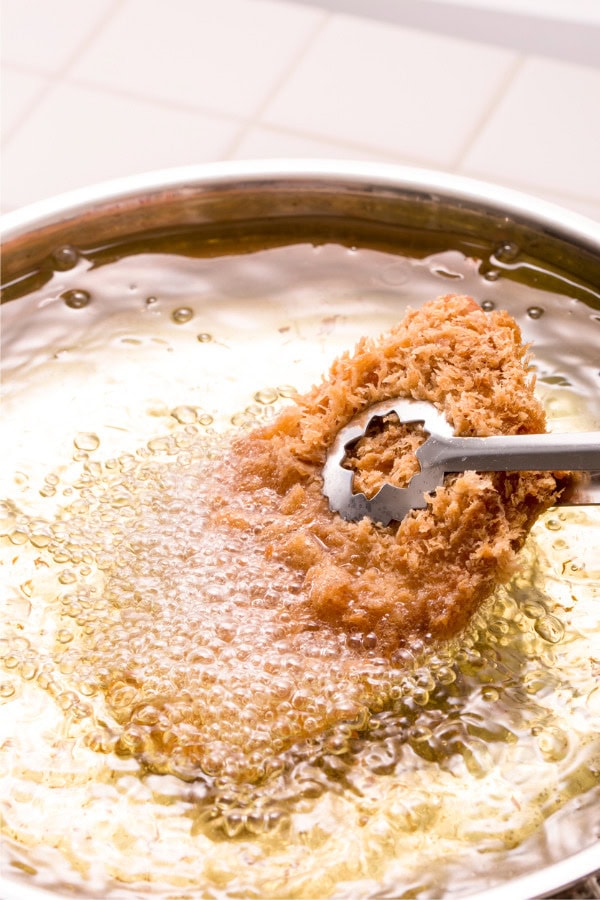
Fryer oil may look tough, but it breaks down fast under certain conditions.
Knowing the main “enemies of oil” is the first step to longer oil life and better food.
Oil is not just sitting there. It’s changing the whole time it’s hot.
Many teams think oil just “wears out,” without knowing what speeds that up.
Once you know the real causes, you can target them and keep your oil healthy longer.
This moves you from reacting to bad oil to preventing it.
Common Causes of Premature Oil Degradation
The main culprits are easy to remember as CHAMSS:
- Carbon (burned food bits)
- Heat (too hot, too long)
- Air (oxygen exposure)
- Moisture (water from food or rinsing)
- Salt (speeds oxidation)
- Soap (leftover cleaner)
High heat breaks oil down into unwanted compounds.
Leaving your fryers on when not needed or running them too hot speeds damage.
Moisture from frozen items or wet food triggers hydrolysis, which shortens oil life.
Oxygen drives oxidation, which hurts flavor and stability.
Salt boosts oxidation.
Leftover cleaning agents can pull water and oil together, make breakdown faster, and add bitter taste.
The Role of Filtration, Temperature, and Food Particles
Your daily habits matter a lot. Food bits from breaded items build up quickly.
If not removed, they char, create carbon, and speed oil damage.
Regular skimming and filtration remove these bits before they cause harm.
Temperature control is also key. Oil works best in a narrow heat range.
Too hot causes fast breakdown, smoke, and burnt flavors.
Too cool between loads makes food absorb more oil and turn greasy.
Fast heat recovery helps keep your oil steady.
Strong, regular filtration may be the single biggest step you can take.
It pulls out tiny particles that speed up damage, keeps your oil cleaner for longer, and means fewer oil swaps with better, steadier results.
How Reducing Fry-Oil Costs Improves Kitchen Operations
Cutting fry-oil costs does more than save you money.
When your oil routines get better, many parts of your kitchen improve together.
The line moves better, food quality rises, and the front-of-house feels the difference too.
Your business becomes leaner, steadier, and more profitable.
With the right steps, you can turn a big expense and headache into a strength.
These gains aren’t small.
They can be major, with clear lifts in output, food results, and even environmental wins.
You move from fighting rising costs to winning with smarter use of resources.
Decreasing Waste and Improving Oil Yield
One fast win is less waste and more “miles” from each gallon of oil.
When your oil lasts longer, you buy fewer drums and pay less for pickup and recycling.
For busy kitchens, that can mean big cuts in buying and waste fees.
Tools and habits that stretch oil life raise your “yield” per gallon.
Swaps that used to happen every 2-3 days can move to 4-5 days or more with modern options.
That saves you money and lowers the footprint from production, delivery, and disposal, matching growing demand for greener practices.
Reducing Labor and Maintenance Requirements
Frequent oil changes, vat scrubs, and surprise fixes take time and add risk.
When your oil lasts longer and filtration is quicker, your staff spend fewer hours on messy jobs and more time on prep, service, and other key tasks.
This also lifts morale!
Cleaner oil and steady temps put less stress on your fryers.
That means fewer breakdowns, fewer service calls, and longer equipment life.
With fewer interruptions, your service stays on track and revenue stays steady.
Automated systems can make oil work faster, safer, and easier, cutting the physical load on your staff.
Improving Food Quality and Consistency
Good oil habits directly improve taste and texture.
Bad oil adds off-flavors, cooks unevenly, and leaves food greasy.
Clean, stable oil makes your fried items crisp, light, and consistent.
That keeps your guests happy and supports your reputation.
Some tools also lower oil absorption, which gives a lighter bite, something many diners want.
Reliable results cut waste from remakes and keep every plate up to your standard.
This reliability is key for loyalty and repeat visits.
Supporting Sustainability and Lowering Environmental Impact
Greener operations help the planet and your business. Longer oil life means fewer disposals and less waste.
That reduces the impact tied to making and hauling cooking oil.
Also, certain oil tools let you fry at lower temps without hurting quality, which cuts energy use.
Fewer deliveries, less waste, and lower power needs shrink your carbon footprint.
This can boost your brand with eco-minded guests while saving you money.
Proven Strategies to Reduce Fry-Oil Costs
Cuts in fry-oil spend come from clear, proven steps: steady daily habits, smart equipment choices, and ongoing training.
Focus here and you can stretch oil life, keep food quality high, and save a lot.
I recommend you treat oil management as an ongoing process, not a one-off fix.
Consistency and attention to detail help you get the most out of every measure, from simple daily habits to new tech, so your plan is complete and effective.
Regular Filtration and Cleaning Procedures
Regular filtration and deep cleaning are the base of good oil care.
Filter at least twice a day, and skim every 15 minutes to remove loose crumbs.
These bits break down fast and contaminate your oil.
Quality filter powders and pads catch more tiny particles than basic options, helping your oil stay clean longer.
Beyond daily filtration, deep-clean the vats.
When filtering, wipe down the sides to remove stuck-on debris.
This stops carbon build-up that can leak into fresh oil.
Set a steady filtration plan based on your fryer use and oil condition, not the calendar, so your oil lasts longer and food quality stays high without extra downtime.
Best Oil Management Practices
Oil care goes beyond filtration.
Tackle the “enemies of oil” (CHAMSS): avoid overheating, cover fryers during idle time to cut air exposure, salt food away from the vat, and rinse off cleaners fully.
Train your staff to place food gently instead of splashing, which adds air.
Watch your oil quality closely. Don’t change by date, change by need.
Use visual cues (dark color, smoke, foaming), sensory checks (burnt or rancid smell, bitter taste), and simple test kits to measure breakdown.
Keep oil at the right fill line to avoid waste and cut burn risks.
Investing in Advanced Fryer Technology or Oil Extenders
If you’re serious about longer oil life, modern fryers and oil extenders can pay off.
Many new fryers include built-in filtration that removes particles fast, often in about three minutes, making the process quicker and easier for your staff.
Oil extenders are another strong option.
A photo-catalytic ceramic device like Frylow releases electrons that slow oxidation and reduce the breakdown of oil molecules.
Many kitchens see oil life double or even triple.
These devices can also reduce viscosity, improve heat transfer, and let you fry at lower temps without hurting quality, which lowers your energy use.
The FL-15 Frylow model works with any commercial fryer and fits into your existing setup.
Training Staff to Monitor and Maintain Oil Quality
Oil care is a team effort, and thorough training is key.
Everyone who uses your fryers should learn the CHAMSS factors, how to skim, how to filter the right way, and how to spot bad oil.
Training should also cover topping off oil and proper shutdown steps.
When your team knows what to do and why, daily habits stay consistent, oil lasts longer, and food gets better.
This prevents mistakes that cost you money and helps you get full value from your oil and equipment.
Refresh training regularly and set clear guides so oil care becomes part of your daily routine.
Comparing Oil Reduction Technologies and Management Solutions
To get the most from your fry-oil, you have more tools than ever.
Sorting through the options starts with knowing how they work, what they deliver, and the long-term value.
The right pick depends on your volume, menu, and budget, but they all aim to stretch oil life and lift efficiency.
From filtration systems to oil-extending devices, each path takes on oil breakdown in a different way.
I suggest you review them by their impact on oil life, food results, and ROI so you can pick what helps your kitchen the most.
Popular Commercial Fryer Oil Filtration Systems
Filtration systems are a core tool for longer oil life.
Options range from manual filter pots to advanced built-in filtration in newer fryers.
The main job is to remove particles that speed oil damage.
Systems in units like Henny Penny open fryers bring filtration into the machine, often completing a cycle in about three minutes.
Steady filtration brings clear wins: fewer oil changes, better food, and lower operating costs.
Quality filter media (powders and pads) can improve performance by catching more fine debris.
While filters have ongoing replacement costs, keeping your oil cleaner for longer makes them a solid investment in most commercial kitchens.
Evaluating the Cost-Effectiveness of Oil Extenders
Oil extenders slow the breakdown process itself. They may be additives or devices.
Frylow, for example, is a photo-catalytic ceramic unit that releases electrons to slow oxidation and reduce molecular breakdown.
Many users report up to 50% longer oil life, with some seeing double or triple. The costs are attractive.
Frylow is a one-time purchase with no ongoing consumables, unlike many filtration setups that need frequent filter changes.
Fewer oil swaps mean big savings on oil and disposal, plus energy savings from frying at lower temps.
Added up, the payback often comes quickly, which makes extenders appealing for operators watching expenses closely.
Impact on Longevity, Performance, and Return on Investment
Both advanced filtration and oil extenders boost your oil life and fryer performance.
Cleaner, more stable oil helps keep flavor consistent, reduces off-notes, and limits greasiness.
Your guests notice the difference and come back. On ROI, these tools shine.
You buy less oil, spend fewer hours on changes, cut utility bills, and keep your fryers running longer before major service.
A device like Frylow, which can stretch oil life by about 50% and carries a 5-year warranty, offers a strong price edge with its one-time cost and no recurring supplies.
While there is an upfront spend, the savings and smoother operations pay it back quickly, making it a smart choice for your long-term profit and efficiency.
Frequently Asked Questions about Reducing Fry-Oil Costs
Operators often ask similar questions about fry-oil care.
Clear answers help remove confusion and offer practical steps to cut costs while keeping quality high.
These FAQs cover timing, taste, and rules for handling used oil.
How often should you replace fryer oil for best results?
There’s no single schedule that fits every kitchen.
It depends on the oil type, volume, menu mix (heavy breading vs. fries), and how well you manage filtration and temperature.
Many restaurants change oil every 5-7 days.
In high-volume sites, it may be every 2-3 days without advanced solutions.
With strong filtration and an oil extender, many kitchens double or even triple oil life, moving from 2 days to 4-5 days or more.
Don’t rely only on the calendar.
Watch your oil color, smoke, steady foaming, and smell or taste changes.
Use simple test kits to measure breakdown.
Track usage to find the best replacement schedule for your operation.
Can reducing oil changes affect food taste or quality?
If you cut changes but keep using oil past its best, taste and texture will suffer.
Degraded oil causes off-flavors, more oil absorption, and uneven cooking.
Your food can taste stale or burnt and turn greasy, which turns guests away.
If you reduce changes because your oil actually lasts longer, thanks to filtration, temperature control, and an extender, you get the opposite.
Your oil stays stable, and food turns out crisp, light, and tasty.
The key is to make oil last longer with good care, not to stretch bad oil.
What regulations apply to used cooking oil?
Many states and cities have strict rules for storing, moving, and disposing of used cooking oil.
These rules protect the environment, reduce fire risk, and support public health.
Breaking the rules can bring fines and legal trouble.
Restaurants usually must keep used oil in sealed, labeled containers, away from heat, and in approved areas.
Working with a certified provider like Eazy Grease helps you comply.
They handle scheduled pickup, safe disposal, and recycling, often turning used oil into biodiesel.
This keeps you compliant and supports waste reduction and lower fossil fuel use.
Key Takeaways: Maximizing Kitchen Efficiency through Fry-Oil Cost Reduction
Strong kitchen efficiency is closely tied to smart fry-oil management.
Done right, it brings you savings and also supports food quality, smoother shifts, team safety, and greener operations.
Cutting fry-oil costs isn’t just about saving cents.
It supports how well your whole kitchen runs.
Looking at this year and beyond, food costs will keep rising and guests will keep expecting more.
Kitchens that adopt better oil tools and habits will move ahead.
Fewer oil buys, less labor on changes, lower energy use, and steadier food quality add up to a real edge.
Plus, greener oil practices connect with today’s eco-minded guests.
The future of efficiency comes from smart use of every resource, including your frying oil.
Spending on tools and training that extend oil life and simplify your routines is an investment in the long-term health of your business.
Build a kitchen that is profitable, responsible, efficient, and delivers great results every day.

- The 12 Best Kombu Substitutes for Your Favorite Recipes - December 8, 2025
- Ruth’s Chris Creamed Corn Recipe - March 8, 2025
- Hibachi vs Teriyaki: The 6 Differences You Need To Know - February 28, 2025
